Breaking News




Enter your email address below and subscribe to our newsletter
All voices matter
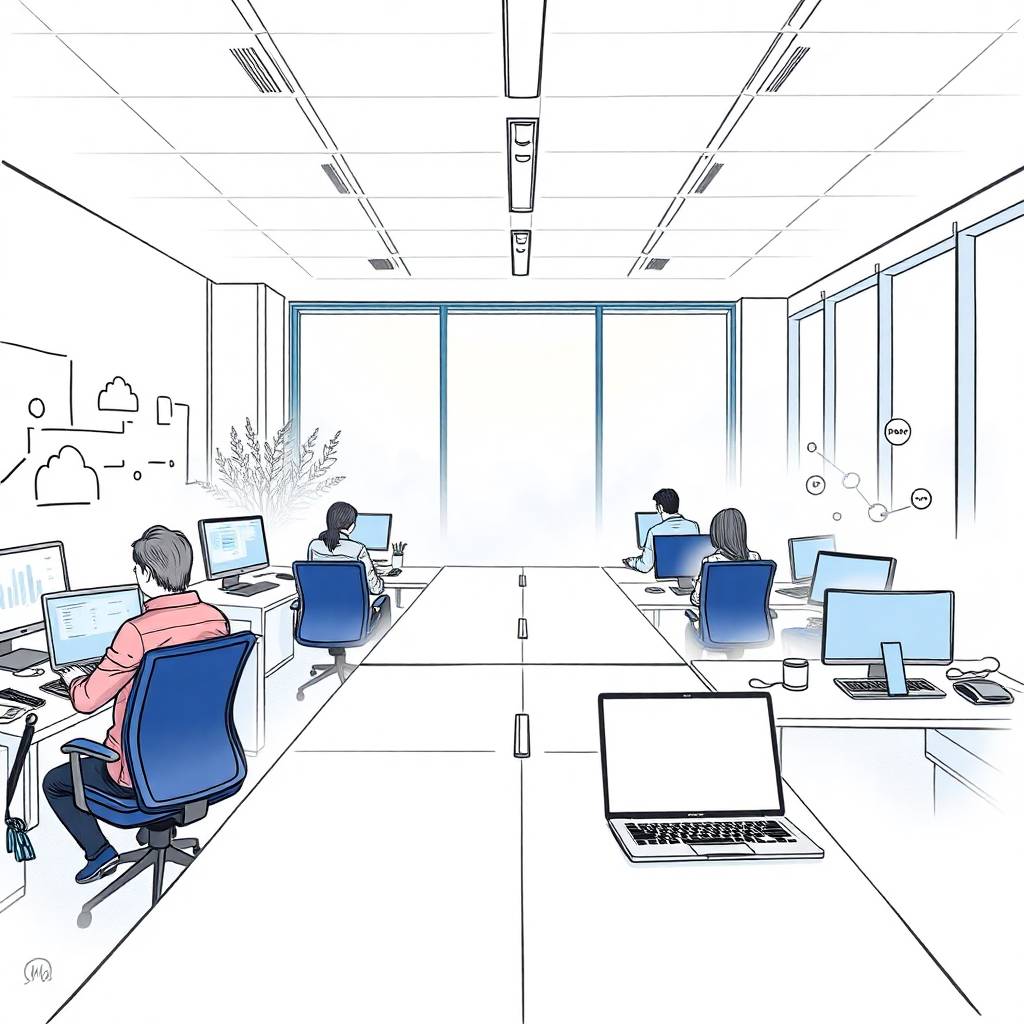
Cloud and DevOps continue to evolve rapidly. In 2026, emerging trends like AI integration, automation, and low-code deployment are shaping development workflows, helping teams deliver faster, smarter, and more reliably.
🔗 https://www.ibm.com/cloud/learn/devops
AI is increasingly integrated into DevOps pipelines. I noticed predictive monitoring, automated testing, and smart deployment suggestions. It reduces errors, speeds up releases, and enables developers to focus on innovation instead of repetitive operational tasks.
🔗 https://aws.amazon.com/serverless/
Serverless computing removes the need to manage servers. I deployed apps without provisioning infrastructure, reducing costs and maintenance time. Developers can focus entirely on code, while the cloud handles scaling and availability automatically.
🔗 https://www.weave.works/technologies/gitops/
GitOps uses Git as the single source of truth for infrastructure and deployments. I observed automated updates, version control, and rollback capabilities. This trend makes DevOps workflows safer, more predictable, and collaborative.
🔗 https://www.mendix.com
Low-code platforms allow teams to build cloud applications quickly. I replaced repetitive coding tasks with visual workflows, reducing development time while keeping quality high, enabling faster experimentation and prototyping.
🔗 https://cloud.google.com
Companies increasingly adopt multi-cloud environments for redundancy and flexibility. I saw smoother resource allocation and disaster recovery. This trend reduces vendor lock-in and allows optimization of cost, performance, and reliability.
🔗 https://www.jenkins.io
CI/CD pipelines automate building, testing, and deploying code. I noticed faster iterations and fewer human errors. Teams can release features more frequently while maintaining quality and stability across environments.
🔗 https://www.terraform.io
IaC automates provisioning and configuration of cloud infrastructure. I used it to replace manual setups, reducing errors and saving hours weekly. Version-controlled infrastructure increases reliability and repeatability for deployments.
🔗 https://www.paloaltonetworks.com/cloud
Automated security tools monitor cloud environments for threats and vulnerabilities. I noticed reduced manual security checks while maintaining compliance and minimizing risk. This trend ensures safe adoption of new cloud features.
🔗 https://kubernetes.io
Containers and Kubernetes orchestration streamline deployment and scaling. I replaced manual setups with automated container management, improving consistency, reducing downtime, and making applications more resilient.
🔗 https://www.datadoghq.com
Observability platforms collect, analyze, and visualize operational data. I monitored cloud applications proactively, identifying performance issues before they became problems. This trend increases reliability and reduces time spent troubleshooting.
Cloud and DevOps trends in 2026 focus on AI, automation, multi-cloud, and serverless solutions. Developers adopting these trends improve speed, reliability, and scalability, staying ahead in an increasingly competitive tech landscape.